
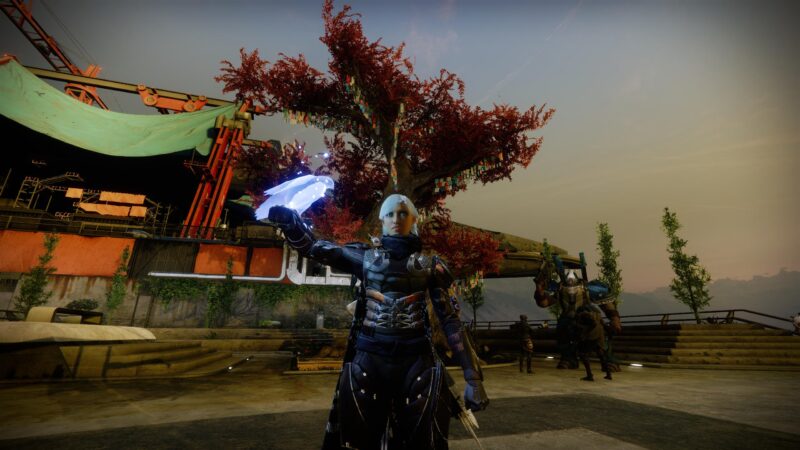
Destiny 2’s raids are some of the most challenging and rewarding activities in the game, offering incredible loot, unique mechanics, and unforgettable experiences. For new players, the prospect of jumping into a raid can feel daunting. However, with the right preparation and approach, you’ll find that raiding is not only manageable but also incredibly fun.
This guide will walk you through the basics of preparing for your first Destiny 2 raid, covering everything from power level requirements and loadout choices to team coordination and strategy tips. By following these steps, you’ll set yourself up for success and feel confident tackling Destiny 2’s most iconic endgame content.
Step 1: Meet the Power Level Requirements
Before entering a raid, ensure that your character’s power level meets or exceeds the recommended level for the raid’s encounters. This number is listed in the game’s director when you hover over the raid activity. While it’s possible to complete a raid slightly underleveled, being at or above the recommended level makes a huge difference in survivability and damage output.
If you’re not quite at the required power level, focus on completing powerful and pinnacle reward activities each week. Milestones such as Nightfalls, Crucible matches, Gambit games, and seasonal challenges provide steady gear upgrades. Additionally, completing the campaign and seasonal quests will often reward you with higher-power gear, helping you reach the threshold more quickly.
Step 2: Assemble Your Fireteam
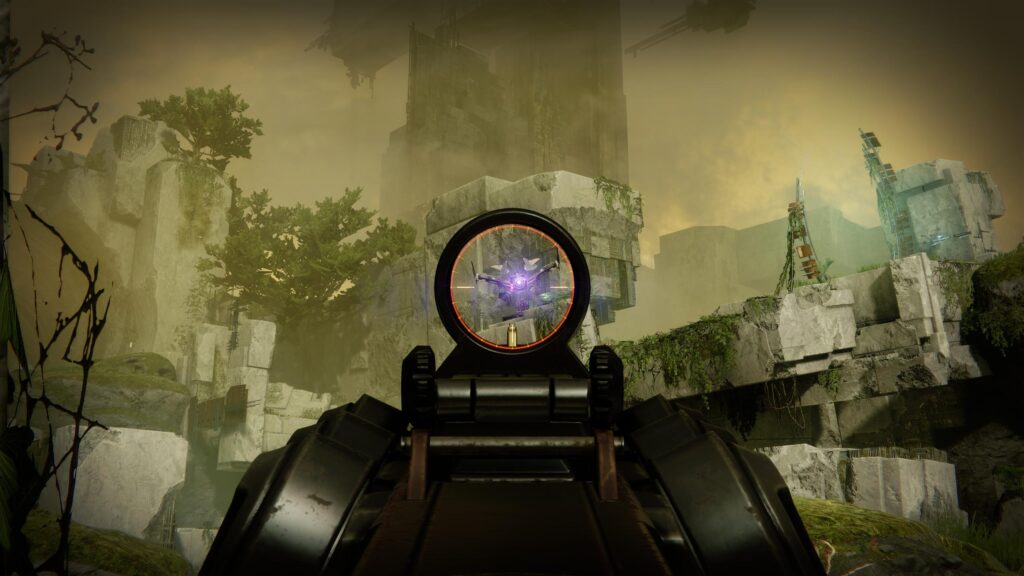
Raids in Destiny 2 require a team of six players. While it’s possible to use the game’s official companion app or third-party LFG (Looking for Group) platforms to find teammates, raiding is often more enjoyable with friends or a consistent group. Playing with people you trust and can communicate with makes it easier to learn mechanics, share strategies, and have a good time even when the going gets tough.
If you’re joining an experienced team as a beginner, let them know ahead of time. Most seasoned raiders are happy to guide new players through the mechanics as long as everyone communicates openly and is willing to learn. Building rapport with your team ensures a smoother experience and helps you improve for future runs.
Step 3: Choose the Right Loadout
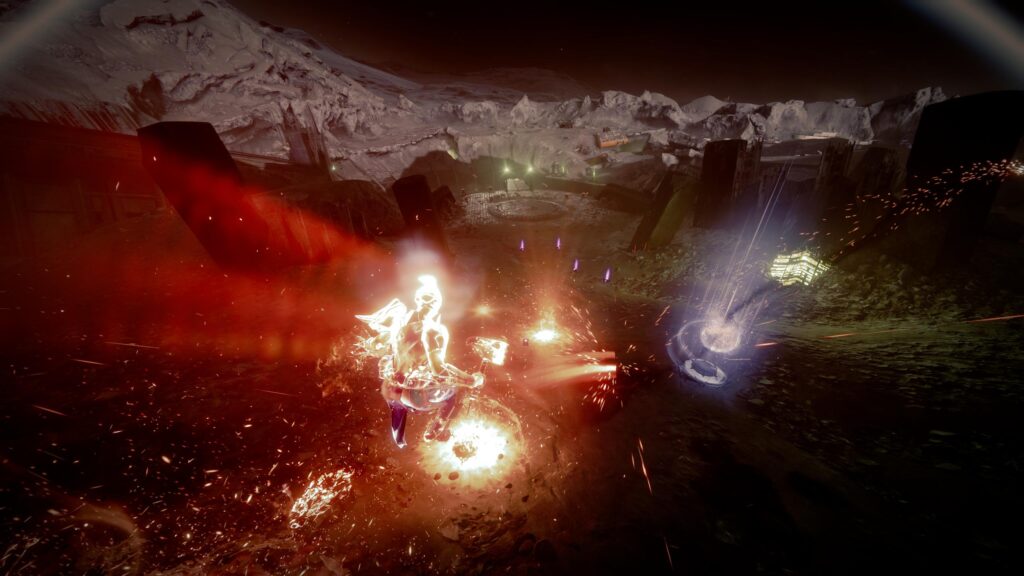
Your loadout—the combination of weapons, armor, and abilities you bring—can make or break your raid experience. While there isn’t always a single “best” setup, certain choices consistently perform well across most raids:
• Weapons: Include at least one long-range weapon (such as a scout rifle or sniper rifle) for damage phases, a reliable mid-range weapon (like an auto rifle or pulse rifle) for add clearing, and a powerful heavy weapon (such as a rocket launcher or linear fusion rifle) for boss encounters.
• Armor mods: Equip mods that enhance survivability and damage output. Mods that increase your resistance to specific elements or improve your recovery speed can be especially helpful during high-damage phases.
• Subclass and abilities: Coordinate your subclass with your team. For example, if your fireteam needs a Well of Radiance for healing or a Tether for debuffing enemies, consider adjusting your subclass accordingly. Having a balanced mix of offensive and support abilities makes every encounter more manageable.
Step 4: Learn the Raid’s Mechanics
Every raid in Destiny 2 introduces unique mechanics that require teamwork and precise execution. While it’s possible to learn these mechanics as you go, studying guides and watching walkthrough videos beforehand gives you a significant advantage. Understanding what each encounter demands—whether it’s standing on specific plates, completing puzzles, or coordinating DPS phases—reduces confusion and helps your team progress more efficiently.
Don’t hesitate to ask questions or request explanations if something isn’t clear. Raids are complex by design, and even experienced players sometimes need to review mechanics before attempting a new encounter. The more you understand going in, the smoother your first run will be.
Step 5: Communicate and Stay Flexible
Good communication is the cornerstone of successful raiding. Whether you’re calling out enemy locations, coordinating supers, or relaying which mechanics have been completed, clear and concise communication helps the entire team stay organized. Consider using a microphone if possible, as real-time voice communication is much faster and more effective than typing in chat.
It’s also important to remain flexible. If one strategy isn’t working, be willing to adapt and try a different approach. Often, success comes down to experimenting with roles, loadouts, or timing until the team finds what works best. Patience and adaptability go a long way in turning a challenging raid into a satisfying victory.
Conclusion: The Road to Raid Readiness
Preparing for a Destiny 2 raid doesn’t have to be overwhelming. By ensuring your power level is up to par, assembling a reliable team, selecting an effective loadout, learning the mechanics, and communicating effectively, you’ll set yourself up for a positive experience. While your first raid may feel challenging, each attempt will improve your skills and deepen your understanding of Destiny 2’s endgame.
Once you conquer your first raid, you’ll discover why raiding is considered one of the most rewarding aspects of Destiny 2. So gather your fireteam, gear up, and take the plunge into one of the game’s most thrilling adventures. The rewards—both in loot and in personal satisfaction—are well worth the effort.