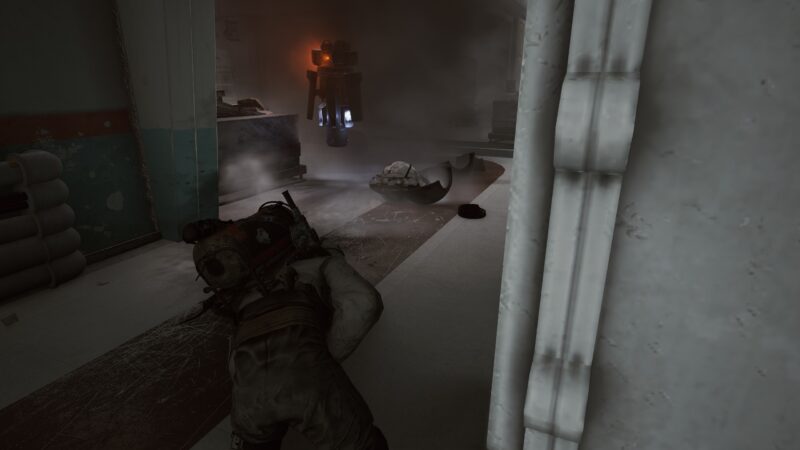
Verticality in Arc Raiders reshapes combat in ways that challenge traditional shooter habits. Multi-level environments, elevation changes, and overhead threats force players to think beyond flat movement and horizontal cover.
Tactics that work on even ground often fail when combat expands upward and downward. Survival depends on understanding how height alters visibility, exposure, and control.
Why Height Changes Information Flow
Vertical spaces alter how information is gathered and interpreted. Enemies above or below break standard sightlines, making traditional scanning ineffective. Sound becomes less directional, and movement cues are harder to localize.
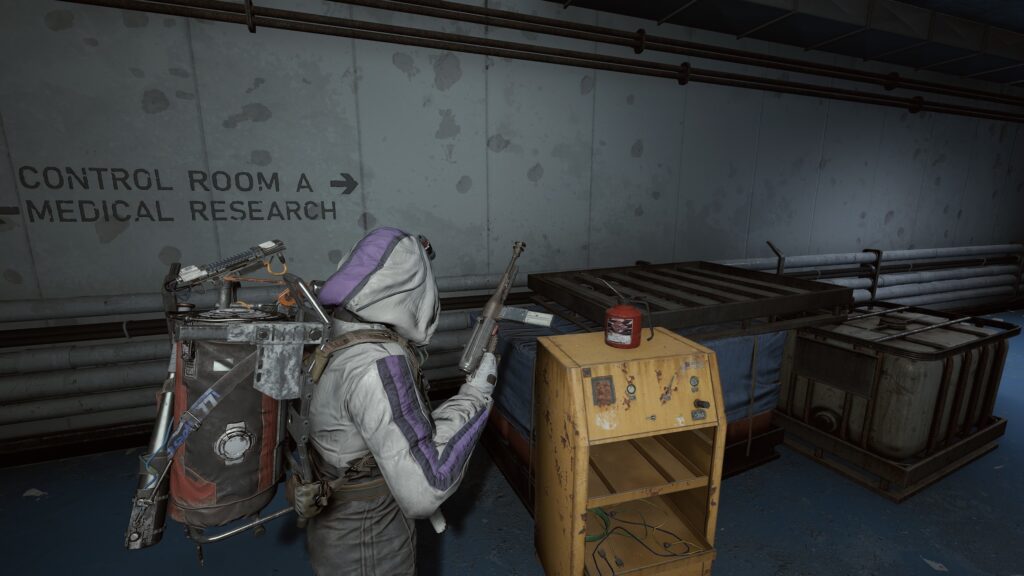
Players accustomed to horizontal threats often misjudge danger in vertical environments. Survivors adjust awareness upward and downward, expanding perception beyond eye level.
Elevation as Both Advantage and Liability
Holding elevation provides visibility and control but increases exposure. Elevated positions reduce cover options and restrict retreat paths. Players who treat height as permanent advantage often become isolated targets. Survivors use elevation temporarily, repositioning before threats converge. Height is a tool, not a refuge.
Movement Risks in Multi-Level Combat
Vertical movement introduces delays and commitment. Climbing, dropping, or descending locks players into predictable animations. These transitions remove flexibility and invite punishment if mistimed.
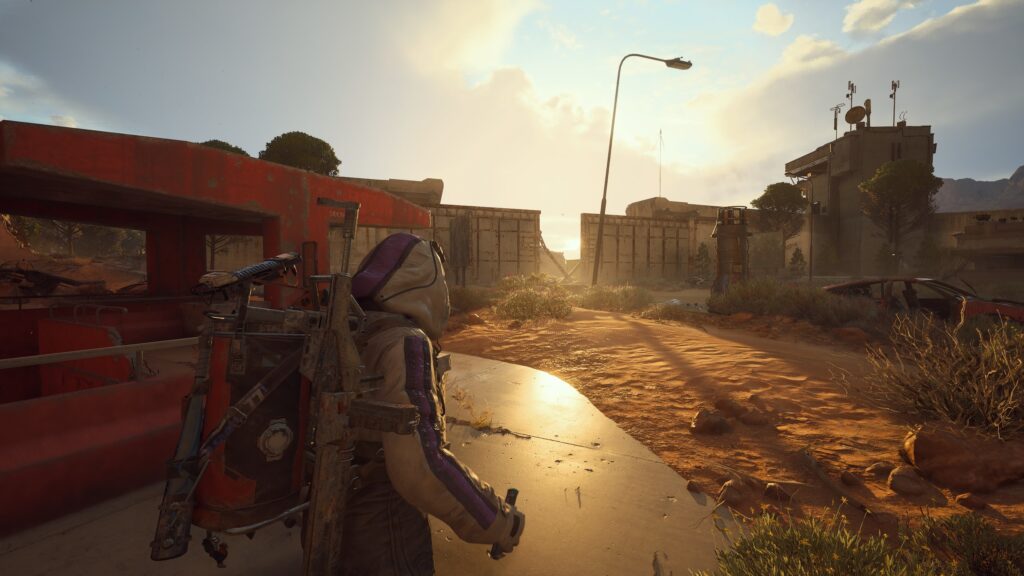
Players who move vertically without clearing threats often lose control mid-transition. Survivors plan vertical movement carefully, treating elevation changes as tactical commitments.
Vertical Factors That Redefine Engagements
Several vertical elements consistently influence combat outcomes.
- Limited cover options at elevation
- Sound distortion across vertical distance
- Predictable movement during climbs and drops
- Restricted escape paths when cornered above or below
These factors demand new tactical awareness.
Adapting Shooter Instincts to Vertical Space
Players who adapt to vertical combat slow their pace and widen awareness. They check above and below before committing, listen for elevation-based cues, and avoid staying exposed at height.
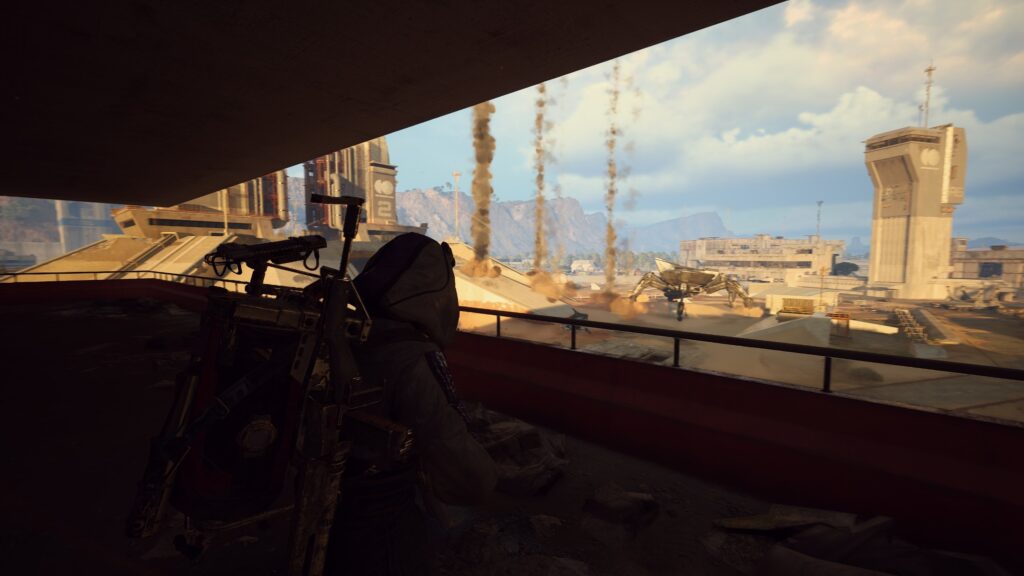
Traditional shooter instincts favor forward pressure; vertical spaces reward patience and repositioning. Adaptation replaces habit.
Conclusion
Vertical combat spaces in Arc Raiders change shooter tactics by disrupting flat assumptions about movement and control.
Players who respect height as a dynamic risk factor rather than a simple advantage survive longer. In multi-level environments, awareness in all directions defines success more than aim alone.