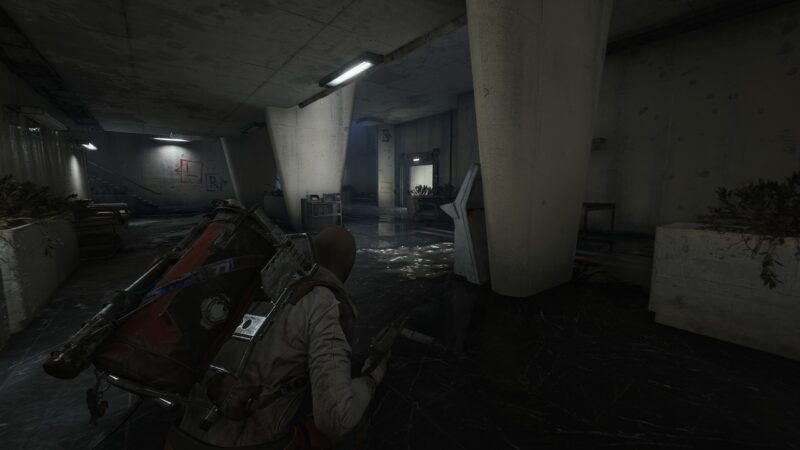
Gear loss in Arc Raiders creates psychological pressure that extends beyond the moment of failure. Losing equipment is not just a setback—it alters how players approach future deployments.
Fear, hesitation, and avoidance emerge quietly, shaping decisions before the next raid even begins. Many players struggle more with returning after loss than with the loss itself. Understanding this psychology is key to maintaining long-term progress.
Why Gear Loss Feels Personal
Gear represents time, planning, and identity. Loadouts are built through effort and familiarity, making their loss feel personal rather than mechanical.
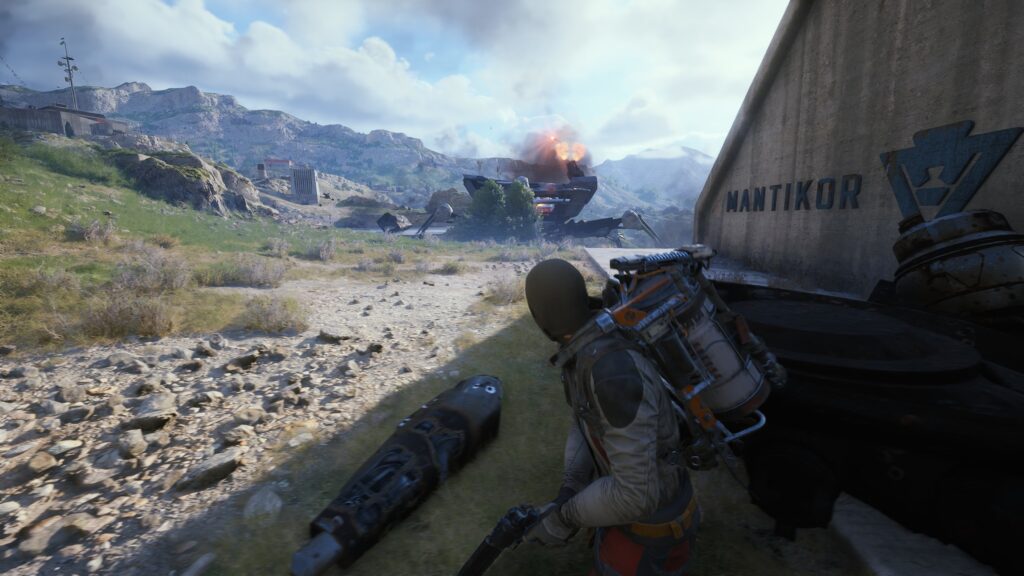
When gear disappears, players experience a break in continuity. Confidence drops, and trust in decision-making weakens. This emotional response often outweighs the actual material setback. Survivors acknowledge the feeling without letting it dictate future behavior.
Fear-Induced Overcorrection
After a loss, players often overcorrect. They move too cautiously, avoid necessary engagements, or extract prematurely. While caution has value, excessive fear reduces opportunity and increases long-term stagnation.
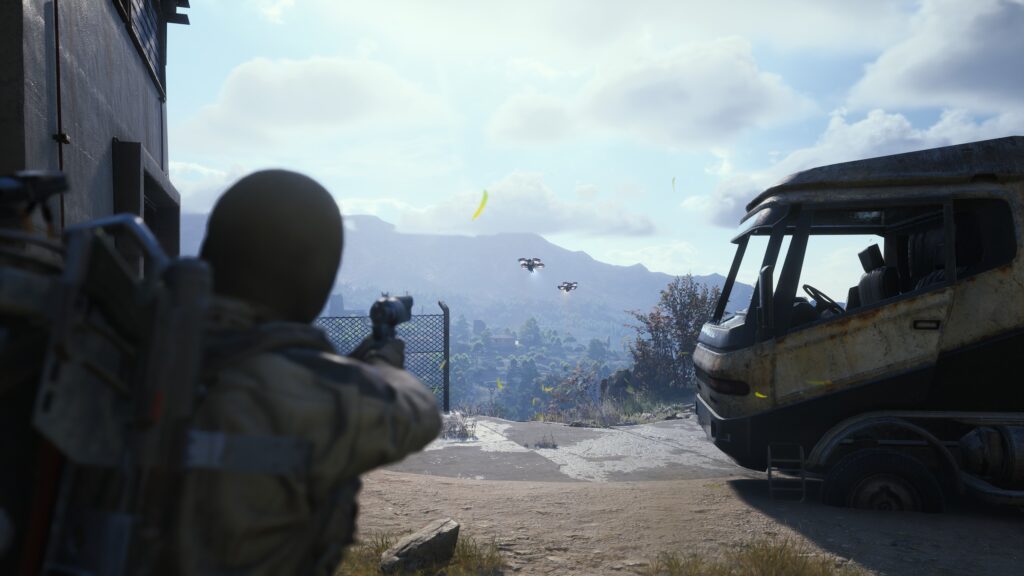
Players become trapped in low-risk loops that prevent recovery. The fear of repeating loss becomes more damaging than the loss itself. Survivors recalibrate risk instead of eliminating it.
The Delay That Reinforces Anxiety
Avoiding immediate re-entry after loss reinforces fear. The longer players wait, the heavier the gear loss feels. Anxiety grows as imagined risk replaces real experience. Players begin attaching symbolic weight to future raids, increasing pressure and hesitation. Returning sooner keeps loss contextual and prevents emotional escalation. Momentum protects confidence.
Common Psychological Traps After Gear Loss
Several patterns consistently appear after failed raids.
- Overvaluing replacement gear and refusing to use it
- Delaying raids until “perfect conditions” exist
- Blaming systems instead of decisions
- Avoiding familiar routes due to association with loss
These traps slow recovery more than scarcity.
Reframing Loss as Information
Survivors reframe gear loss as information rather than punishment. Each failure highlights weaknesses in positioning, timing, or judgment. This reframing restores agency and reduces emotional weight.
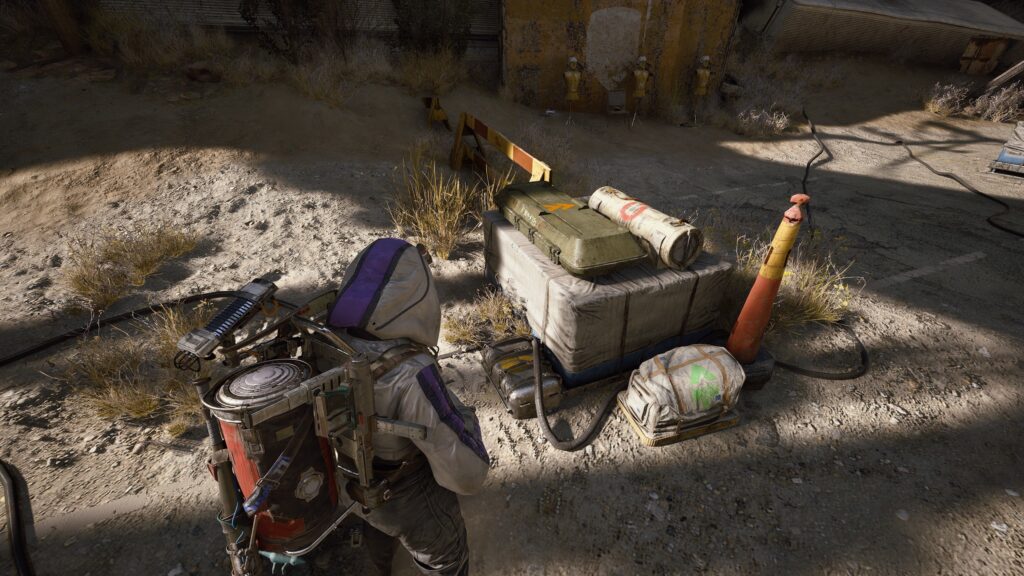
When loss becomes feedback, fear loses control. Players return with purpose rather than hesitation, using insight gained rather than avoiding risk altogether.
Conclusion
Gear loss in Arc Raiders tests psychological resilience more than mechanical ability. Fear of going back in can quietly stall progress if left unchecked.
Players who acknowledge loss, return quickly, and treat failure as information regain confidence faster. Survival is not just about keeping gear—it is about maintaining the willingness to step back into danger with clarity and control.