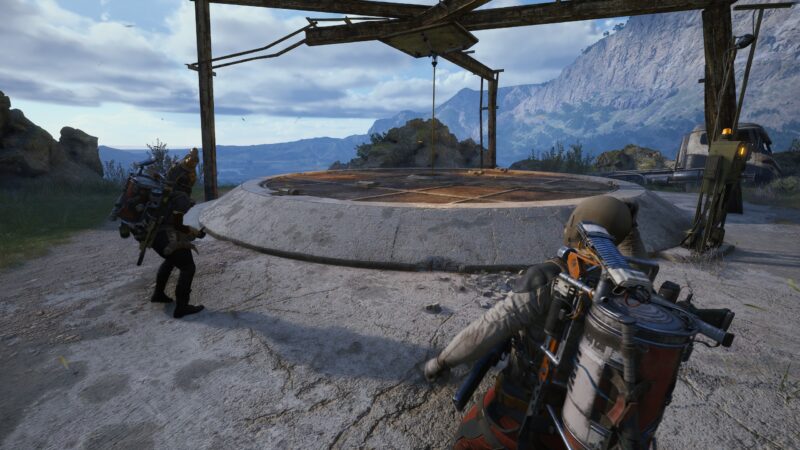
Early Access environments in Arc Raiders create learning curves that are uneven, unstable, and constantly shifting. Systems evolve, balance changes land without long-term patterns, and players must adapt without the comfort of established solutions.
This environment rewards flexibility over mastery. Players who expect consistency struggle, while those who treat uncertainty as part of the experience progress faster. Adaptation, not optimization, becomes the defining survival skill.
Why Early Access Disrupts Traditional Learning
In stable games, learning follows repetition and refinement. Early Access breaks this cycle. Mechanics change before habits settle, and reliable strategies lose value overnight.

Players who lock into fixed routines feel punished when updates shift conditions. Survivors learn principles rather than patterns. They understand why something works instead of memorizing how it works, allowing them to adjust when systems move beneath them.
Adaptation Through Observation Rather Than Speed
Early adopters often rush to mastery, assuming speed equals advantage. In reality, observation provides more value. Watching how encounters change, how AI responds after updates, and how environments behave under new conditions builds adaptable understanding. Players who slow down during transitions maintain clarity, while those who rush often relearn the same lessons repeatedly.
Unlearning as a Survival Skill
Adaptation requires unlearning habits that no longer serve their purpose. Muscle memory, once reliable, becomes a liability when systems shift. Players resist this process because it feels like losing progress.
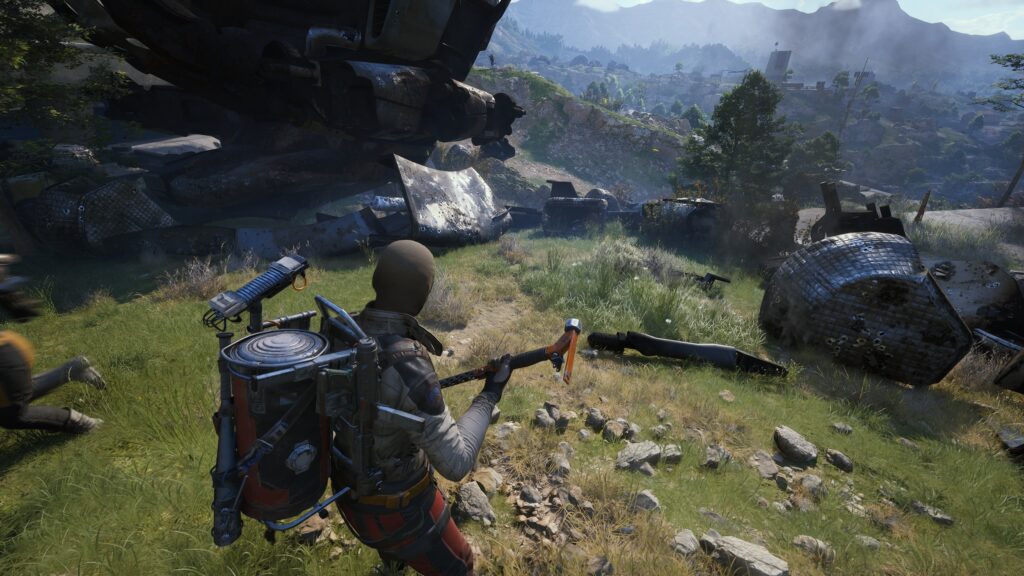
Survivors accept temporary discomfort in exchange for long-term control. Letting go of outdated instincts prevents repeated failure caused by clinging to past success.
Adaptation Mistakes That Stall Progress
Certain behaviors consistently slow player growth during Early Access.
- Overcommitting to outdated strategies
- Blaming instability instead of adjusting behavior
- Chasing efficiency before understanding systems
- Ignoring subtle changes in encounter pacing
These mistakes create frustration rather than insight.
Why Flexible Players Progress Faster
Flexible players treat Early Access as a moving target rather than a solved problem. They test assumptions, adjust expectations, and remain open to change.
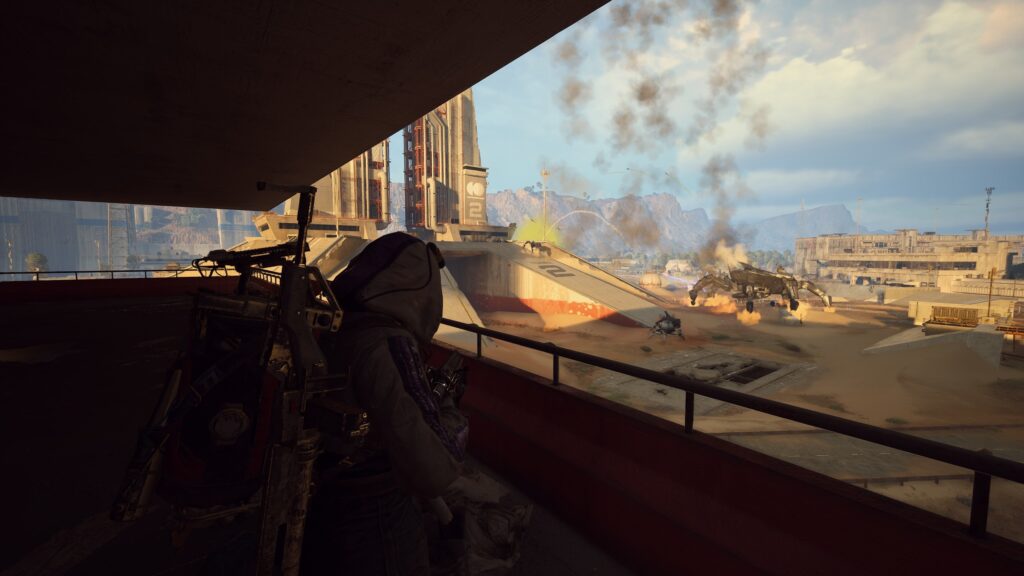
This mindset reduces emotional resistance to updates and preserves confidence. Adaptation becomes continuous instead of reactive. Over time, these players build resilience that carries beyond Early Access into long-term play.
Conclusion
Early Access learning curves in Arc Raiders reward players who adapt rather than optimize. Progress comes from understanding systems at a foundational level and accepting change as constant.
Players who embrace uncertainty gain clarity faster, while those seeking stability struggle against a game still defining itself. Adaptation is not a phase—it is the skill that carries everything else.