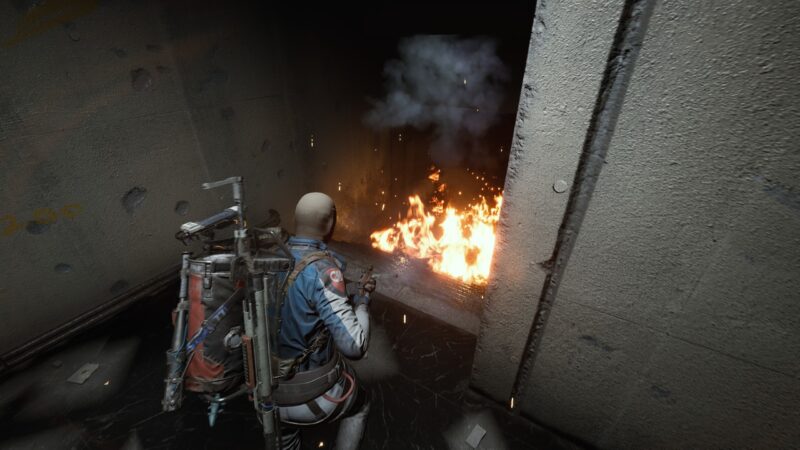
In Arc Raiders, most failures are decided moments before they become visible. Disaster rarely arrives without warning; it forms through a chain of small risk assessment decisions made under pressure.
These decisions happen quickly and often feel reasonable at the time. Players commit to a route, an engagement, or a delay without fully weighing the cost. When the outcome turns bad, it feels sudden. In reality, the collapse was already set in motion seconds earlier.
Why Final Decisions Carry Disproportionate Weight
The last decision before contact carries more weight than earlier planning because options are already limited. Escape routes are narrowed, resources are partially spent, and information is incomplete.
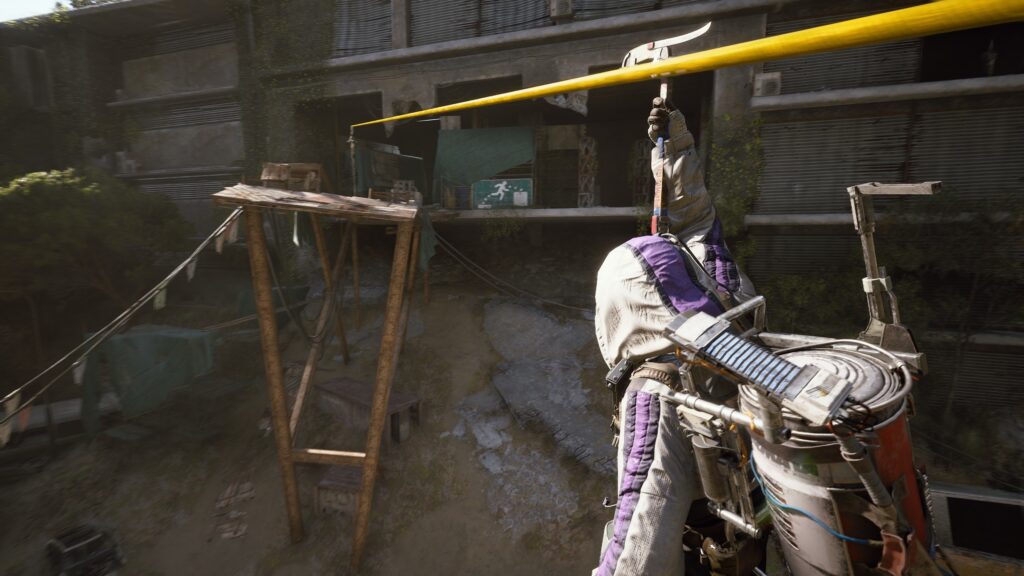
Players often rely on instinct at this stage, assuming momentum will carry them through. When instinct overrides evaluation, risk compounds instantly. Survivors slow these moments down mentally, even when action remains fast.
False Safety Created by Temporary Calm
Brief periods of calm create a false sense of safety. Silence is mistaken for absence, and empty space is treated as secure. Players lower their guard, cross exposed ground, or delay repositioning.
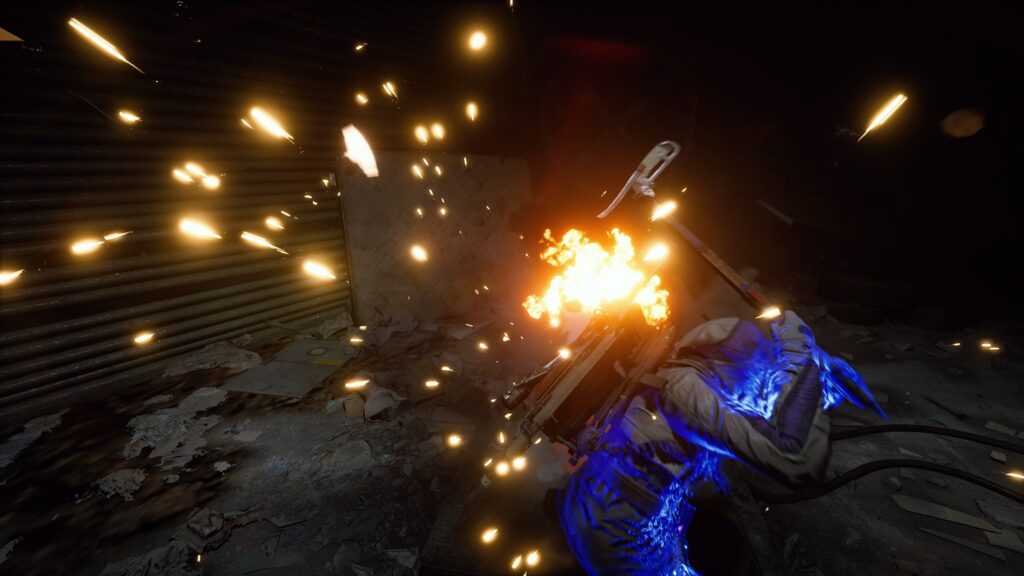
This calm often precedes contact rather than replacing it. Disaster follows when players commit to movement based on lack of evidence instead of positive confirmation. Absence of threat is not proof of safety.
Commitment Bias Under Pressure
Once a decision is made, players resist reversing it even when new information appears. This commitment bias locks players into bad routes and risky engagements. Turning back feels like wasted effort or lost time. Enemy presence, sound cues, or environmental exposure are ignored in favor of finishing the plan. Survivors abandon decisions early, understanding that survival favors flexibility over consistency.
Last-Second Choices That Trigger Collapse
Certain decisions repeatedly appear before disaster.
- Crossing open ground instead of waiting for confirmation
- Chasing weakened targets without checking surroundings
- Delaying extraction to “do one more thing”
- Holding position despite shrinking escape options
These choices feel small but remove recovery paths.
Training the Pause Before Commitment
Survivors develop the habit of pausing mentally before final commitment. This pause is brief but deliberate, allowing reassessment of exits, sound, and resource state.
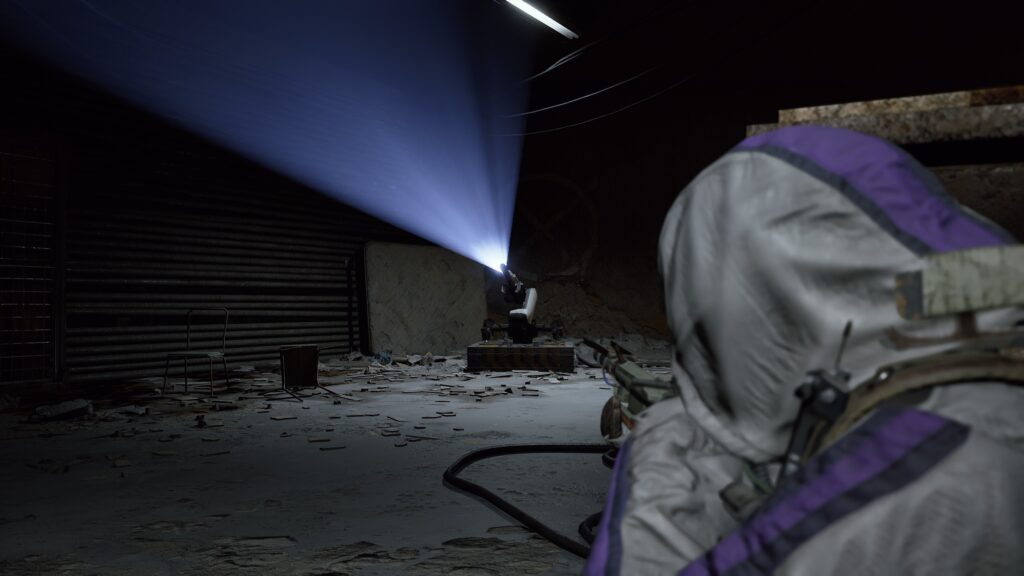
It prevents autopilot movement and breaks emotional momentum. Players who cultivate this habit reduce catastrophic failures without slowing overall pace. The pause becomes a survival reflex.
Conclusion
Risk assessment failures in Arc Raiders are rarely about lack of skill. They emerge from rushed decisions made just before danger fully appears.
Players who recognize these moments and re-evaluate instead of committing blindly preserve control. Disaster is often avoidable—but only if the warning signs are acknowledged in time.